You were promoted for your performance - not taught how to lead a team.
Now you’re accountable for results, managing conflict, and keeping work moving without a clear way to do it.
Teamware is how you build an operating system for running high-performing teams. Not software. Not a platform. A human system teams use to work, decide, and adapt together.
Does This Sound Familiar?
You're carrying more of the team's thinking than you should be — and you can feel it
Decisions keep circling back to you, even ones that shouldn't need your involvement
You can see something isn't working, but you can't quite name what it is — so you don't know where to start
You've looked for help before, but most leadership advice is either too abstract or too generic to actually apply to your situation
And the longer this continues, the more the team learns to wait for you instead of think for themselves. The pattern reinforces itself. You work harder, they defer more, and the gap between what your team could do and what they actually do keeps widening.
Teamware gives you a practical way to change that. It allows you to shape how work, decisions, and responsibility move through the team so progress doesn’t depend on constant intervention.
As a result, you gain more control over outcomes without tightening oversight - because the team operates with clearer ownership, steadier judgment, and fewer forced escalations.

“Every team runs on an operating system — most just don’t realize it. Shaun Mader is the first person I’ve seen who actually names it, maps it, and teaches leaders how to use it. Teamware is the missing OS modern teams have been searching for. Rooted in solid science, it unlocks performance by aligning every person around shared clarity and commitment.”

Paul J. Zak,
Neuroscientist
PhD, author of The Little Book of Happiness:
A Scientific Approach to Living Better
"Teamware is a powerful blueprint for modern leadership. Shaun Mader shows how to transform friction into flow by building trust, clarity, and resilience directly into the way teams operate. In a world of constant volatility, this book gives you the system to build teams that don’t just keep up, but thrive."

Dr. Marshall Goldsmith
Thinkers50 #1 Executive Coach
New York Times bestselling author of
The Earned Life, Triggers,
What Got You Here Won’t Get You There.
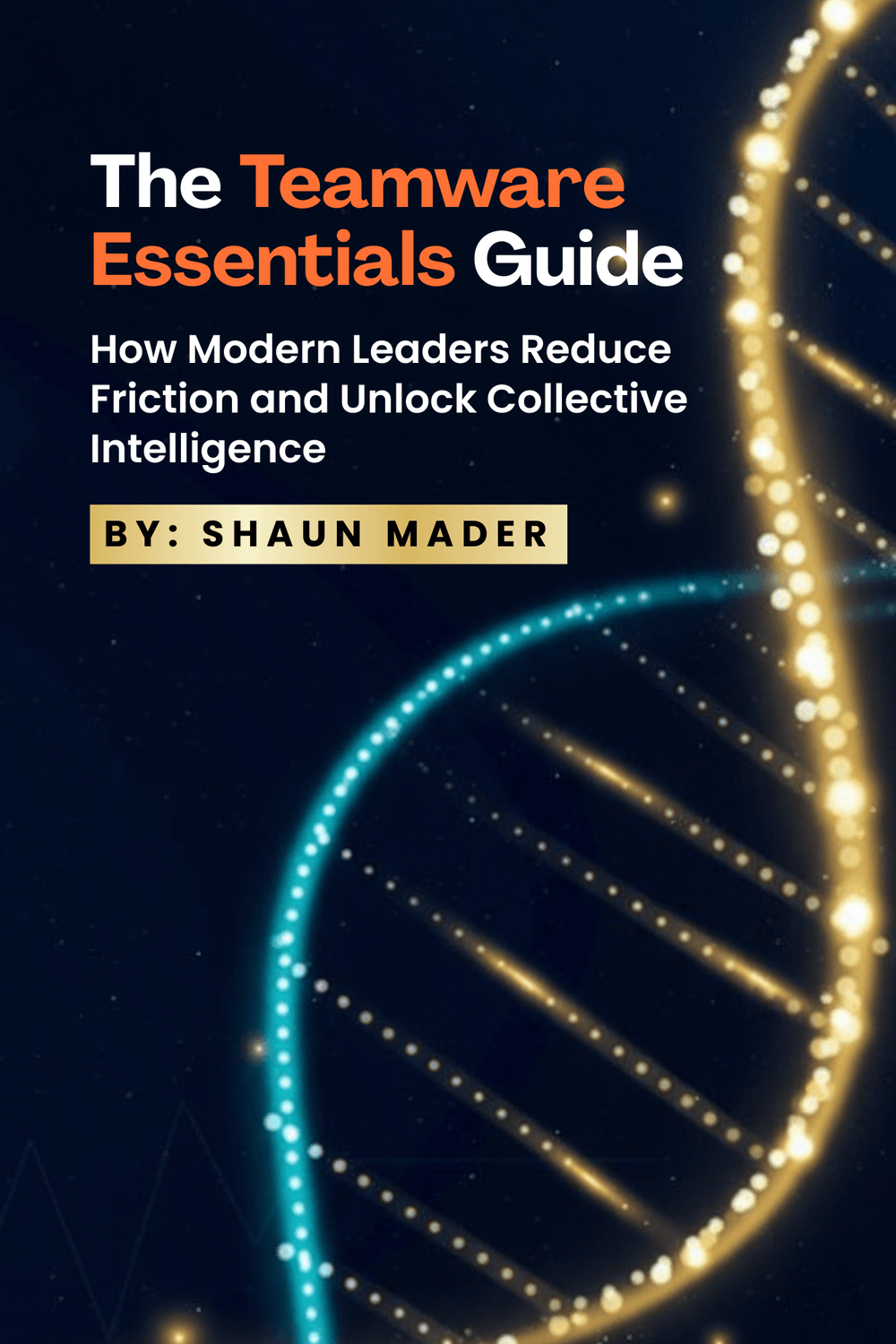
The Teamware Essentials Guide is a short, practical starting point for leaders who want more clarity before taking action.
It helps you see what’s actually happening in how your team works — not in theory, but in practice — so you can distinguish between surface issues and the underlying dynamics that are shaping results.
Rather than offering quick fixes or generic advice, the guide gives you a clearer way to read the landscape you’re already operating in: how work moves, where decisions slow down, and where responsibility quietly concentrates.
What this guide gives you
A clearer view of how your team is really operating
Language to name issues without personalizing them
A way to separate symptoms from structural causes
Early leverage points for improvement

For leaders who want to go further, Teamware can be built over time into a complete operating system for how teams work, decide, and adapt together. The Essentials Guide simply gives you a grounded place to begin.
Teamware is the result of years spent working with leaders who were promoted for performance and then left to figure out leadership on their own—across startups, established organizations, and complex team environments.
The guide distills recurring patterns observed across those teams into a practical way of seeing
how work actually runs.
Meet the Architect Behind the Framework.
Shaun Mader has coached hundreds of leaders across enterprise, midsize companies, and startups who all had the same problem: talented people, broken coordination. He built Teamware and Team Flow Architecture to fix that.










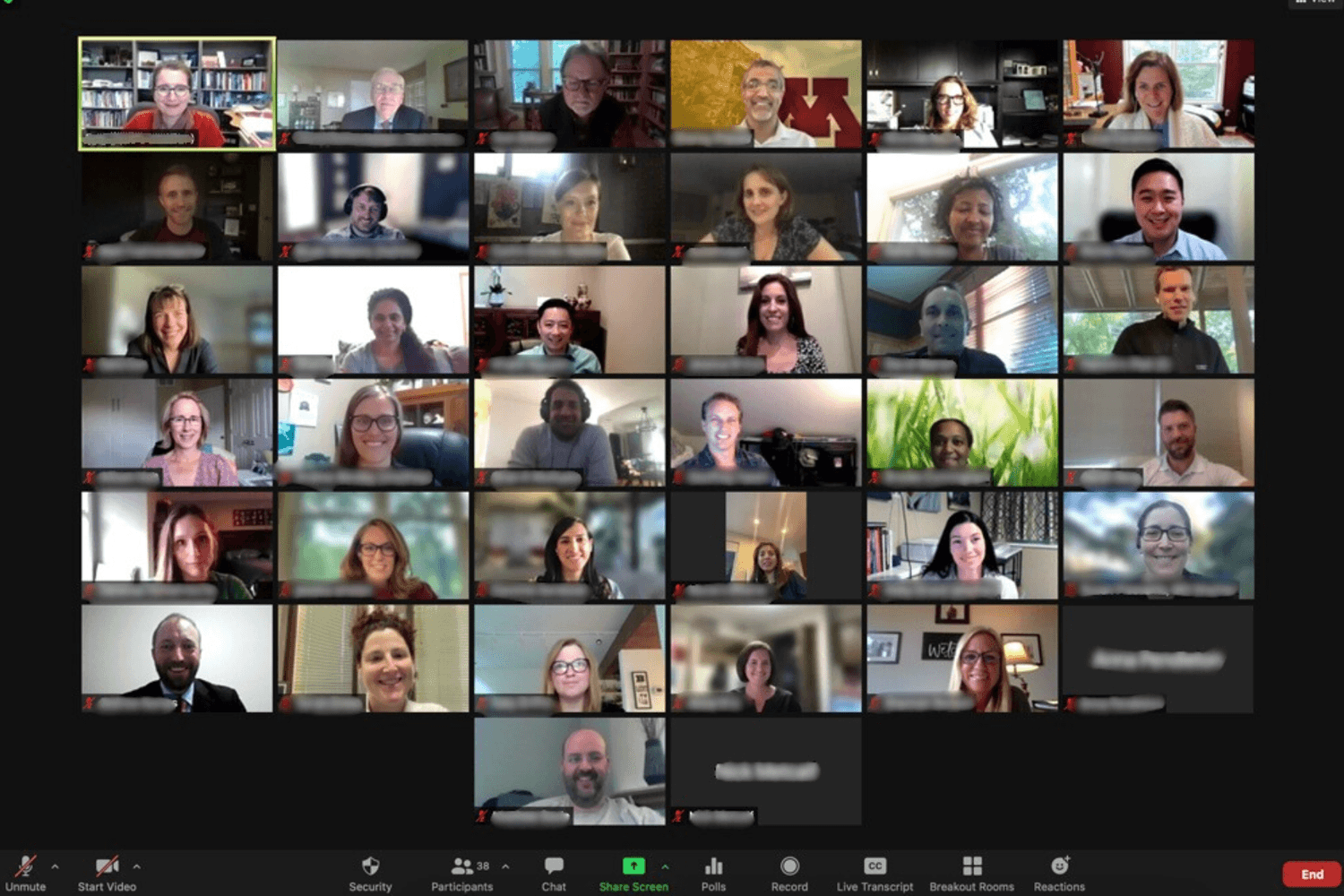
TEAMWARE™ COHORTS
Guided implementation with committed peers
Best for: Leaders who want to build Teamware inside their teams with guidance, structure, and accountability.
What this lets you do:
Move beyond tools into full implementation of Teamware and Team Flow Architecture
Build your own team’s Teamware system, step by step
Practice leadership in real conditions, not hypotheticals
Inside a Teamware Cohort, you will:
Be guided through each stage of building your Team Flow Architecture
Learn how to introduce Teamware concepts to your team in a way that creates buy-in, not
resistance
Practice facilitating system-level conversations and interpreting team responses
Learn how to sense patterns in what your team is telling you, not just collect feedback
Guide your team in developing their own Teamware agreements around:
◦ Decision-making
◦ Ownership
◦ Information flow
◦ How work moves under pressure
Why cohorts exist:
This work unfolds over time
It requires practice, reflection, and iteration
It benefits from peers who are facing similar leadership challenges
Cohorts are intentionally run outside of company politics, creating space for:
Candor
Experimentation
Real learning
Participation is selective to preserve depth and quality.